Health•Wellness
Perimenopause? Don’t Sweat It
14 Aug '26
4 min read
Your mind is saying you’re 25, but your body is saying otherwise. Here’s how we’re tackling peri in 2026
It may creep up quietly. Longer gaps between your period, 3am wake ups and finding yourself more snappy than usual.
The thing is, one in two report experiencing symptoms during perimenopause[1]. It comes right when we’re hitting some career goals, deep in parenting (possibly with teens going through their own hormonal changes), and doing the mental gymnastics of fitting hobbies and fitness and relationships and self care around our responsibilities. Ironic when one of the perimenopause symptoms is brain fog.
What are the symptoms of perimenopause?
As is always the way, there are many symptoms and you may or may not experience them all, which can make it difficult to initially figure out if it’s peri.
The most common symptom is changes to your period as your ovaries make less oestrogen and progesterone. Some months may be heavier, some months may be lighter and some months, your period may not appear at all.
Hot flushes and night sweats are the hallmark symptoms of menopause, while issues with sleep are also common. You may find yourself dealing with irritability, along with a change in sexual desire;[2] a real test to any relationship.
All that may explain the mood swings you’re experiencing but yes, you can also thank the change in hormones.
Diet and exercise during perimenopause
It may not be what you want to do when you’re not getting enough sleep, but maintaining a good exercise routine is important during perimenopause[3]. That may mean going back to that team sport that you gave up years ago, letting go of some of that peri-induced anger with boxing or getting some sunshine while running.
Exercises that strengthen muscle are particularly important during this time, so it may be time to find your nearest pilates studio (trendy matching outfit not required) or join the many women who are taking up weightlifting.
When it comes to diet, it’s everything you expect: eating healthy, not smoking and limiting alcohol. You may need to increase calcium: aim for 1,300mg a day [4] to slow the decrease in bone density during perimenopause.
Supplements during perimenopause
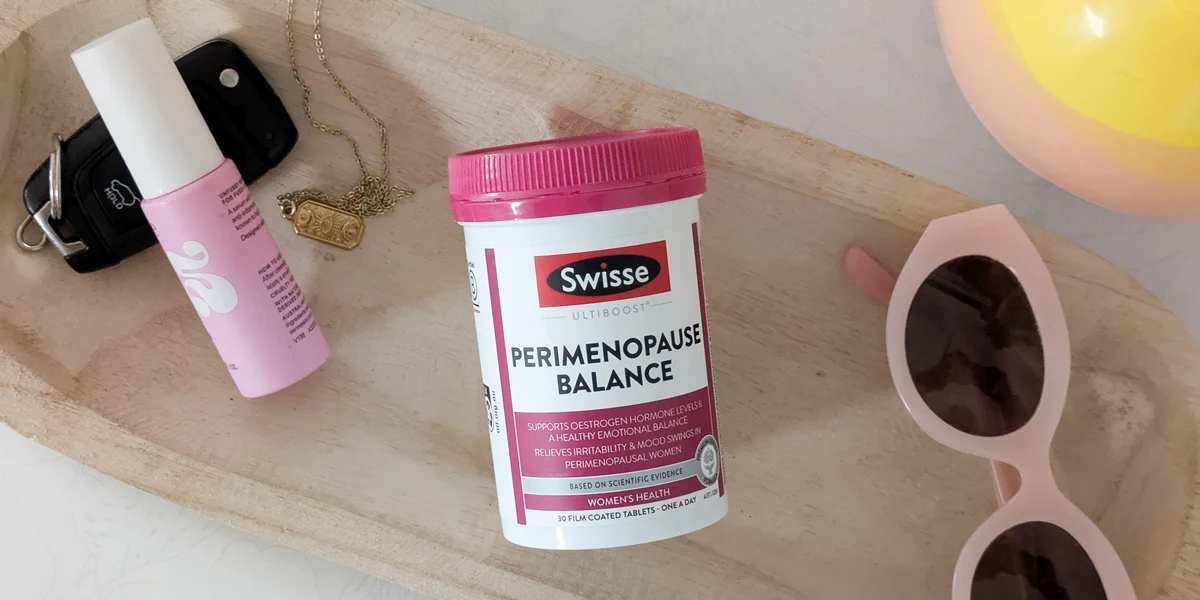
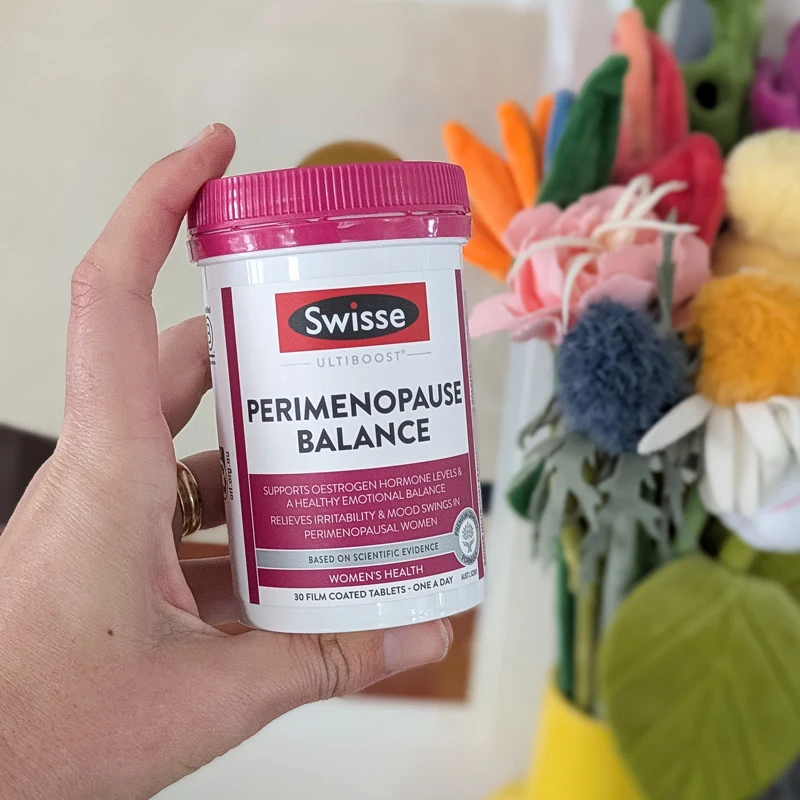
While your mood and hormones transition, you may look to supplements for support. Swisse Ultiboost Perimenopause Balance can assist with some of the common perimenopause symptoms. The formula reduces mood swings and irritability, hot flushes and night sweats associated with menopause.
It also relieves sleeplessness while supporting a healthy sexual function, while the inclusion of KSM-66 Ashwagandha supports healthy estrogen levels in perimenopausal women.
Supplements to support women's health
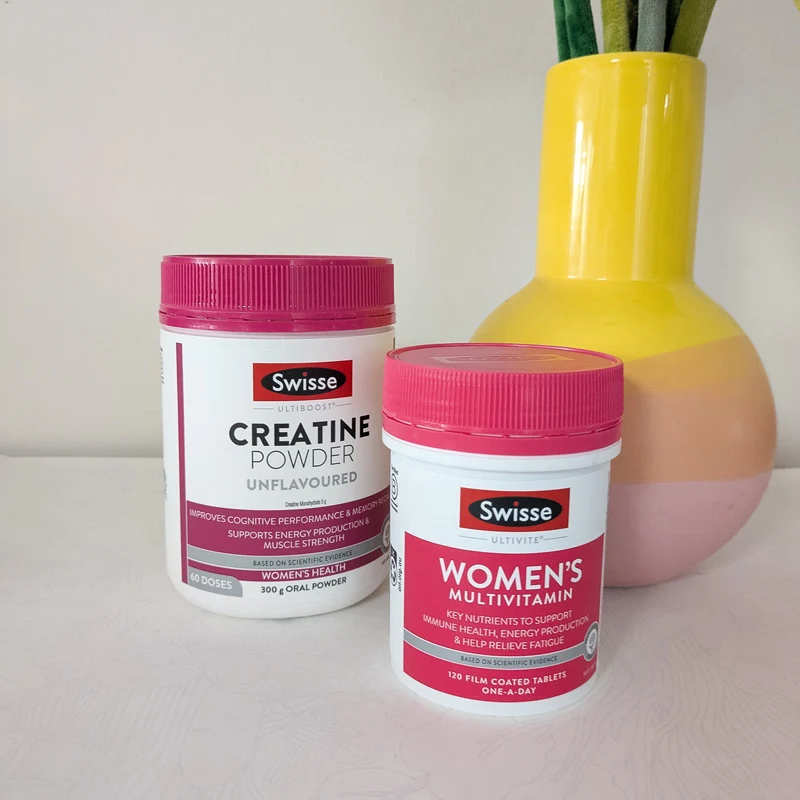
Since you’re taking our advice above and keeping an exercise routine, you may look to add creatine in your water bottle. It’ll support energy production and muscle strength during those high intensity exercises, so you can push yourself right through to the last rep.
Creatine has also been linked to improved memory and cognitive function when your dietary intake is inadequate, making it great for those ‘I know the face but not the name’ moments.
If you’re still in the stage of figuring out if you’re going through perimenopause, or just preparing yourself, including a women’s multivitamin in your daily routine may be a good start.
Swisse Ultivite Women's Multivitamin contains some of the vitamins and minerals to help. We’re talking vitamin D to maintain healthy bones, vitamin B12 to support energy production and vitamin C to maintain a healthy stress response in the body.
But alongside those are ingredients to help with supporting immune health, energy production and vitality – all areas that are important in a health-focused lifestyle, regardless of where you’re at.
Perimenopause is something that all women will experience but it’s 2026 and we’re no longer shying away from talking about it. The more noise we make, the more women can recognise the symptoms and seek treatment, while the rest of us can be a little more understanding when our partners, friends and coworkers hit perimenopause.
References and disclaimers
1. Australian Government Department of Health and Aged Care. (2026, May 26). Menopause and perimenopause
2. Menopause, Therapeutic Guidelines.
3. Physical activity during menopause, Health + Wellbeing Queensland.
4. Calcium, Better Health. —
Article content disclaimer: Always read the label and follow the directions for use. Sponsored content in partnership with Swisse.