Beauty•Health
The Ultimate Guide to Sunscreen: What to Know Before You Buy
30 Apr '26
9 min read
Sunscreen can be confusing. We get it. There are so many different formulas, acronyms, and innovations to understand. Here’s what you need to know. Save this for later.
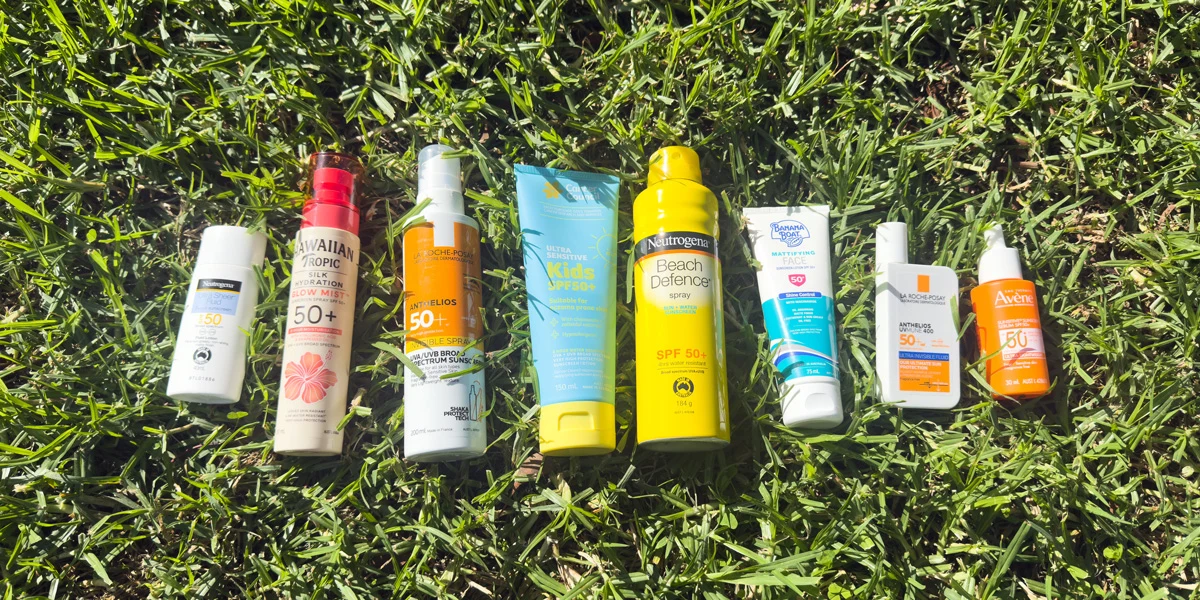
It may seem like yesterday to some of us, but “Slip, Slop, Slap” first launched in 1981 – and it’s still as relevant today as it was decades ago. The slogan later expanded to include “Seek” and “Slide”, but there’s one “S” that obviously never made the lineup: sunburn.
And with the rise of tanning trends infiltrating our social feeds, we’re left wondering: why are we still talking about this? Because tanning your skin for aesthetics isn’t just outdated – it’s reckless.
The thing is, all other skincare is redundant if you don’t wear sunscreen.
It’s the closest thing we have to a true anti-ageing product – the sun is responsible for the majority of premature skin ageing[1].
But it’s not just wrinkles to keep top of mind. Australia has some of the highest skin cancer rates in the world[2].
Keep reading to find out what you need to know about sunscreen so you can make smart skin health (and shopping) decisions.
Your future self will thank you.
Why is sunscreen so important?
Let’s start with the facts. Daily sunscreen isn’t just another skincare step: – it’s arguably the most important one. UV exposure is the number one cause of premature skin ageing, responsible for up to 80% of visible ageing over time[1].
But this isn’t just about fine lines and pigmentation. Regular sunscreen use is associated with a reduced risk of melanoma and squamous cell carcinoma. In fact, Australians aged 18-40 who were regular sunscreen users in childhood reduced their risk of developing melanoma by around 40% compared to those who rarely used sunscreen[1].
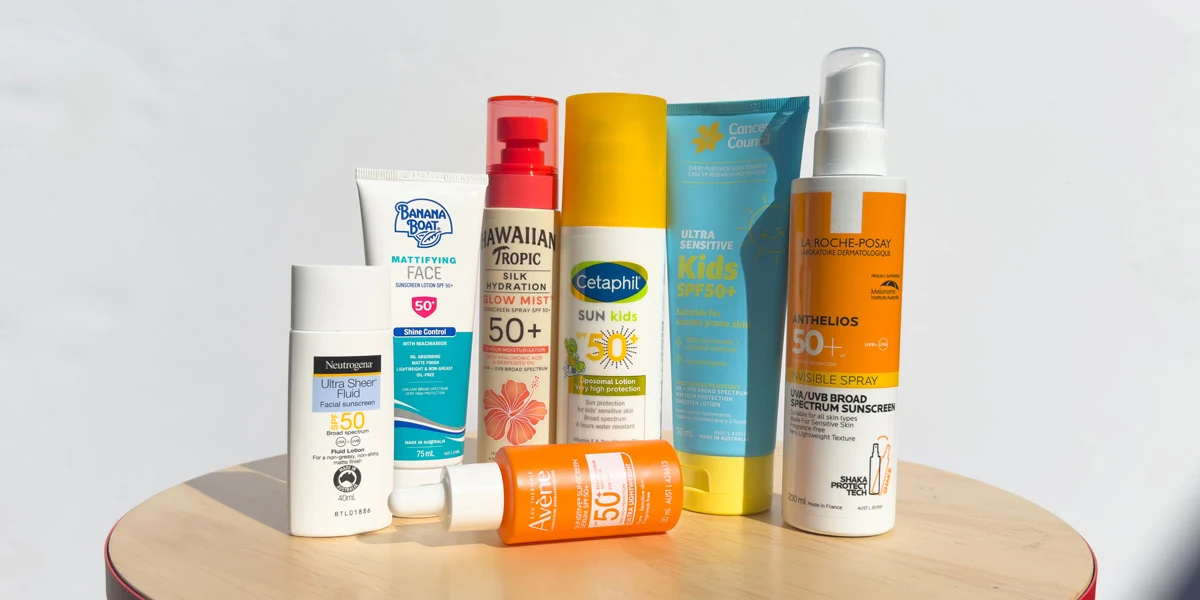
Even short periods of sun exposure can cause UV damage. You might not see it immediately, but your skin keeps score. Over time, that cumulative damage can show up as visible ageing – or more seriously, skin cancer.
Australia holds one of the highest skin cancer rates in the world[2], which is why sunscreen isn’t optional here. It’s part of a broader SunSmart routine that includes seeking shade, wearing protective clothing, and reapplying regularly.
And just to clear up one persistent myth: a suntan isn’t a sign of health. It’s a visible response to UV damage[3].
So yes – layer the serums. Use the actives. Invest in the luxe moisturiser. But none of it works the way you want it to if sunscreen isn’t part of the equation.
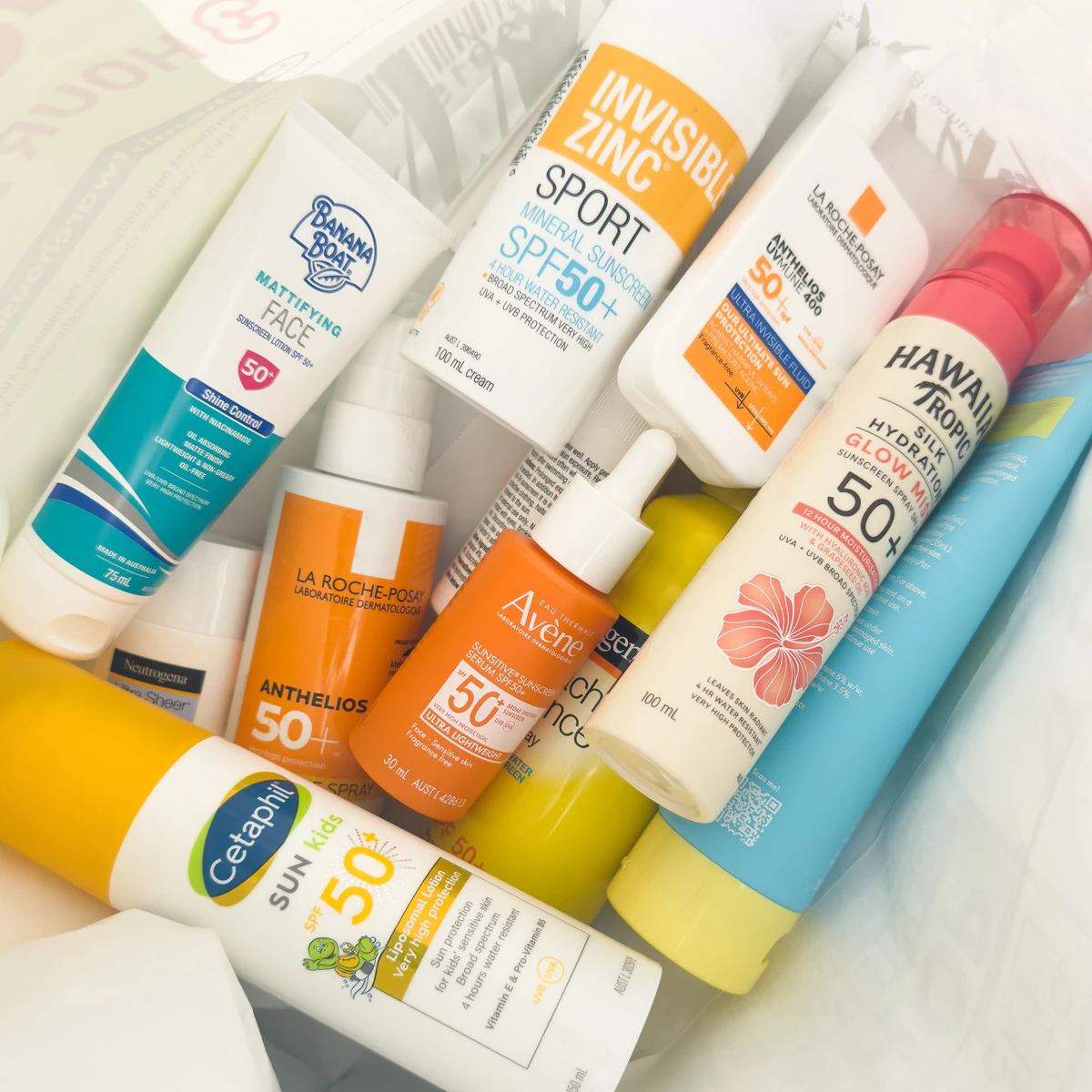
How to read a sunscreen label
First things first: – what’s the difference between “SPF” and “sunscreen”?
Sunscreen is the product. SPF stands for Sun Protection Factor, and it’s the rating that tells you how much protection that product provides against UV radiation.
More specifically, SPF measures how well a sunscreen helps protect your skin from UVB rays (the ones primarily responsible for sunburn). It’s one of the main things people look at when scanning the packet.
Here’s what those numbers actually mean:
SPF 15 = 93% UV protection
SPF 30 = 97% UV protection
SPF 50 = 98% UV protection
That might sound like a small difference, but over time those extra percentage points can add up.
And what about the plus sign? In Australia, the “+” means “more than”. So a sunscreen labelled SPF 50+ must test above SPF 50. You’ll also see the term “broad spectrum” on labels. This means the sunscreen protects against both UVA and UVB rays. UV radiation reaches the earth in different wavelengths – UVA and UVB – both contribute to sunburn, skin ageing and skin cancer risk[4].
How much sunscreen should you apply?
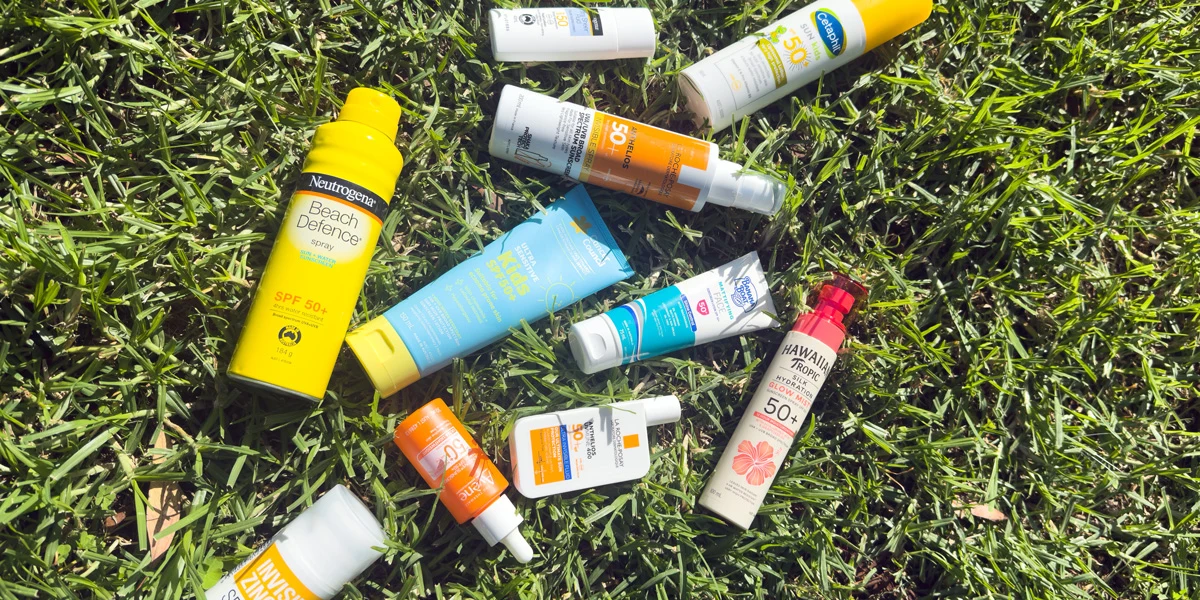
As a general guide, apply a generous amount of sunscreen to every area of skin exposed to the sun. That’s around one teaspoon (5mL) for your face and neck combined, and a teaspoon for each arm, each leg, and the front and back of your torso. All up, that’s approximately 35mL for full-body coverage.
When should I apply?
Sunscreen should be applied 20 minutes before heading outdoors and reapplied every two hours, regardless of whether you’re going for a swim or just grabbing hot chips from the kiosk.. If you’re swimming, sweating or towel-drying, reapply more frequently, as sunscreen can wear off with water, friction, and movement. And when in doubt, follow the directions on the bottle.
Chemical vs mineral sunscreen
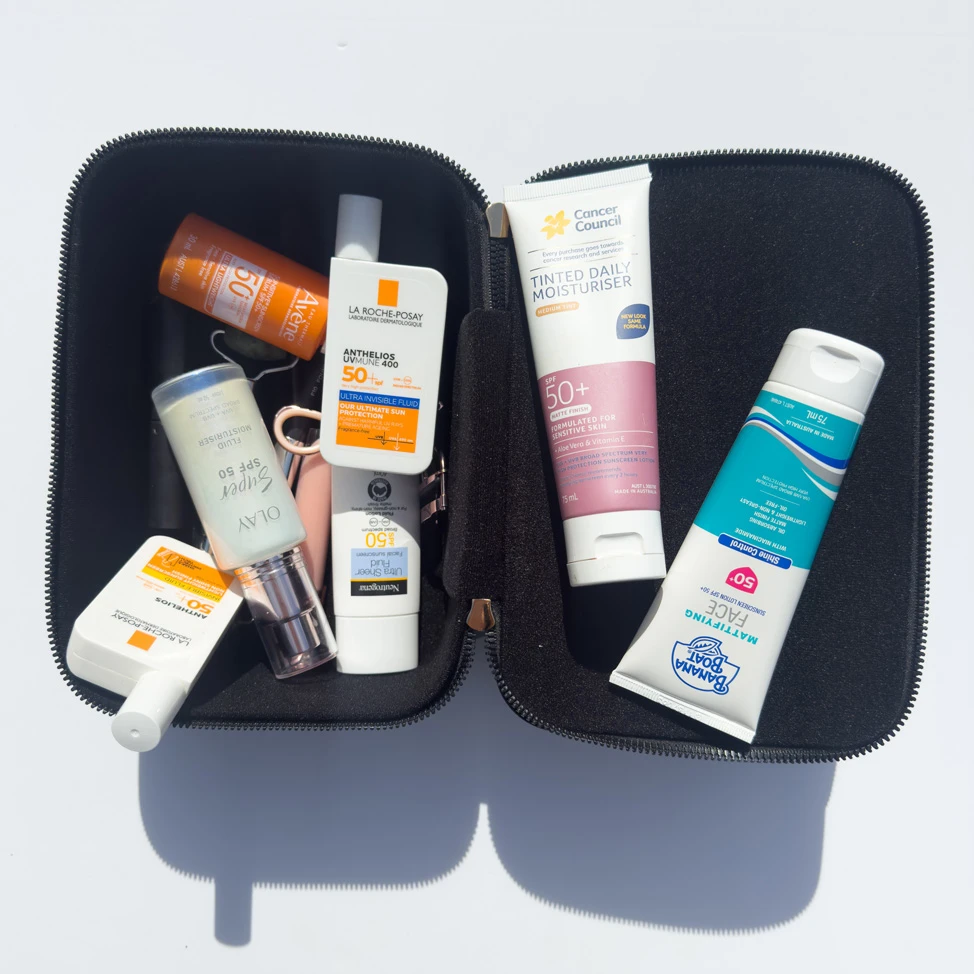
“Chemical” and “mineral” sunscreens refer to the type of UV filters used in a formula. Both can provide broad-spectrum protection against UVA and UVB rays when formulated to meet sunscreen standards.
Mineral sunscreens typically use zinc oxide, titanium dioxide, or both. They are often referred to as physical sunscreens and can help protect the skin by reflecting and absorbing UV radiation. Mineral formulas can sometimes feel thicker on the skin and may leave a visible cast, although this varies by formula.
Chemical sunscreens use UV filters that absorb UV radiation to help stop it from reaching the skin. These formulas are often lighter in texture and easier to blend, which can make them a popular choice for everyday wear or under makeup.
How to choose a sunscreen for your skin type
For dry skin
It’s easy to spot a moisturiser for dry skin, right? You simply look for hydrating ingredients. Well, the same principles apply with sunscreen. Think: formulas that feel like a moisturiser first and sun protection second – the kind that melt in, smooth over flaky patches and leave skin looking softly luminous rather than parched. The best picks for dry skin are often creamier in texture and layered with ingredients like hyaluronic acid, glycerin, niacinamide or ceramides – skincare staples known for helping maintain hydration and support the skin barrier.
For oily skin
If you’re someone who’s already blotting away excess shine by 3pm, a heavy sunscreen can feel like too much. Lightweight fluids, gels and matte-finish lotions are often a better fit, especially if you want something that sinks in quickly and sits seamlessly under makeup.
Some formulas also include ingredients like niacinamide or oil-absorbing powders to help improve the overall finish, but texture and wearability are usually what make the biggest difference day to day.
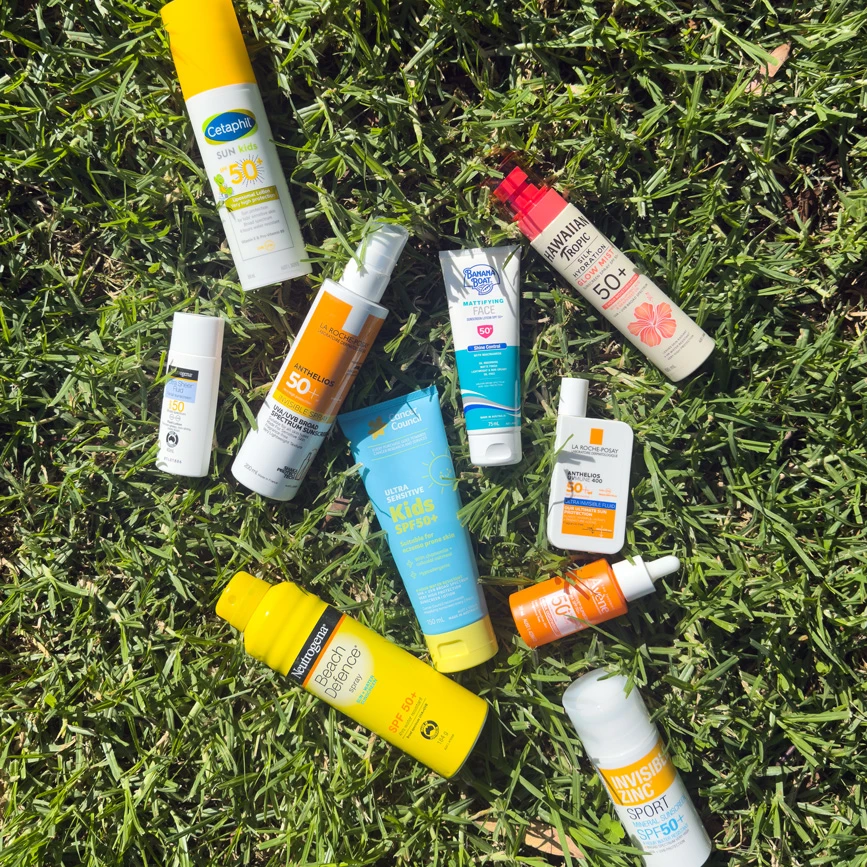
For sensitive skin
When your skin seems to react to just about everything under the sun (pun intended), sunscreen can feel like the ultimate test. The good news? The sunscreen aisle is far more considerate of reactive complexions than it once was. If your skin is easily irritated, look for broad-spectrum protection in gentle, fragrance-free formulas designed with sensitive skin in mind.
Many newer products are formulated with ingredients like ceramides, hyaluronic acid and niacinamide, which are commonly used in skincare to help support the skin barrier and maintain hydration.
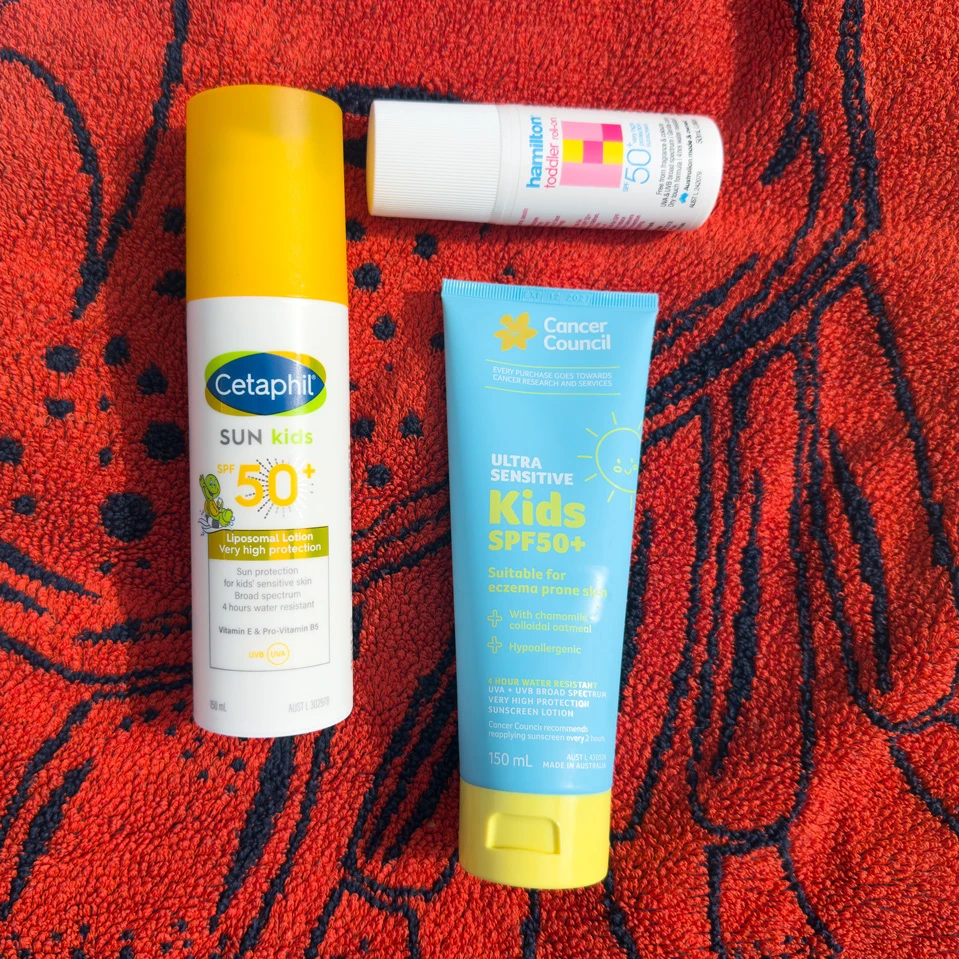
For the family
Most of us probably spent a little too long at the beach as kids, but these days we know better. High sun exposure in the first 10 years of life more than doubles melanoma risk[5], which is why building good sun protection habits early matters. When choosing a family-friendly sunscreen, stick to the basics: broad-spectrum, SPF 50 or 50+ and water-resistant.
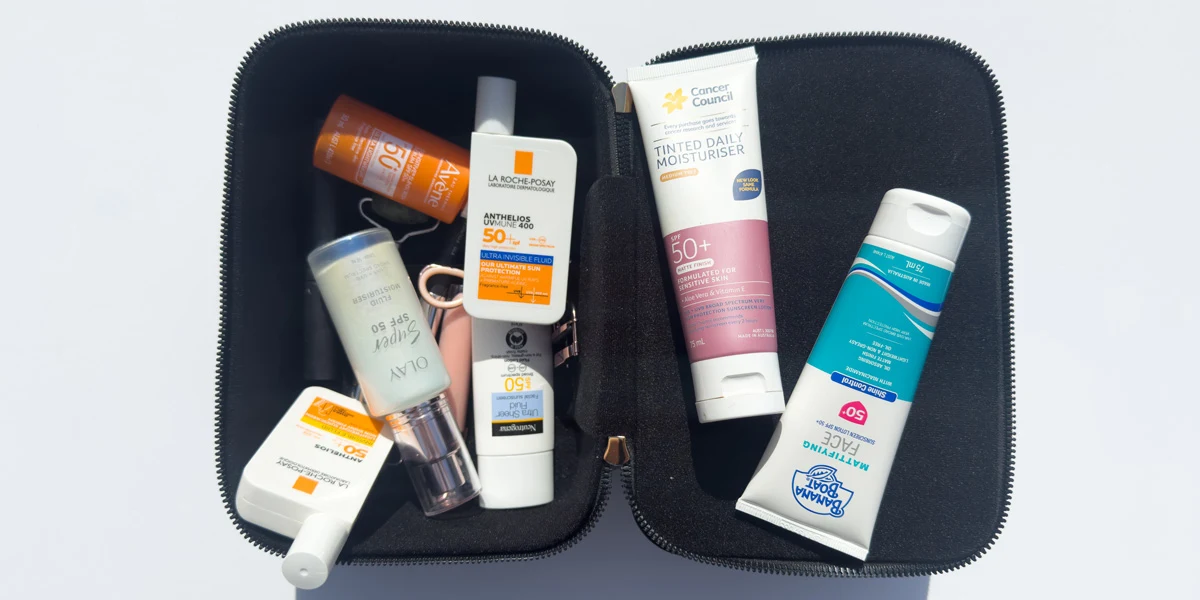
The Skinification of sunscreen
The beauty biz is constantly evolving, and that goes for sunscreen as well. With the recent rise of “skinscreens”, it’s no longer just suncare – it’s skincare too. In other words, sunscreen has adopted the textures, ingredients and finishes we usually associate with our favourite serums and moisturisers.
What once lived exclusively in beach bags now sits proudly on bathroom shelves and inside handbags. Lightweight serums, invisible fluids, and glow-enhancing finishes have given sunscreen the glow-up it needed. Packaging is sleeker. Textures are refined. Formulas are sophisticated. But the biggest shift isn’t aesthetic: it’s behavioural. When sunscreen feels like skincare, people are far more likely to wear it every day.
Face vs body: do you really need both?
Short answer? Not always. But often, yes.
Here’s why. The skin on your face isn’t the same as the skin on your arms or legs. It can be more sensitive, more prone to breakouts, and is usually layered with serums, moisturiser and makeup. That’s why facial sunscreens are often formulated to be lighter, non-greasy and with less fragrance.
Body sunscreens, on the other hand, are built for easy coverage and durability. They’re usually designed to spread easily across larger areas and hold up during sport, swimming or longer stretches outdoors. And if you still associate body sunscreen with that greasy, sticky formula from your childhood beach bag? Good news: the new generation of body sunscreens has seriously levelled up. Today’s formulas are lighter, faster-absorbing and designed to deliver broad spectrum protection without leaving you feeling suffocated.
Busting the myths
There’s no shortage of sunscreen myths floating around. Let’s not get burned by misinformation.
“Makeup with SPF is enough”
Makeup formulas with SPF can offer some protection, but they rarely deliver the amount of product needed to reach the SPF number on the label – and they usually don’t cover areas like your neck, ears or chest. Just think of makeup with SPF as a bonus. A dedicated broad spectrum sunscreen underneath is still required.
“I don’t need SPF on cloudy days”
UV radiation doesn’t disappear behind clouds. In fact, up to 90% of UV can still reach your skin on overcast days, meaning sun damage can happen whether it’s bright and sunny or grey and cool[7]. Whether you’re working from home and don’t plan on leaving your home office or are ducking out for coffee between meetings, protection is still recommended.
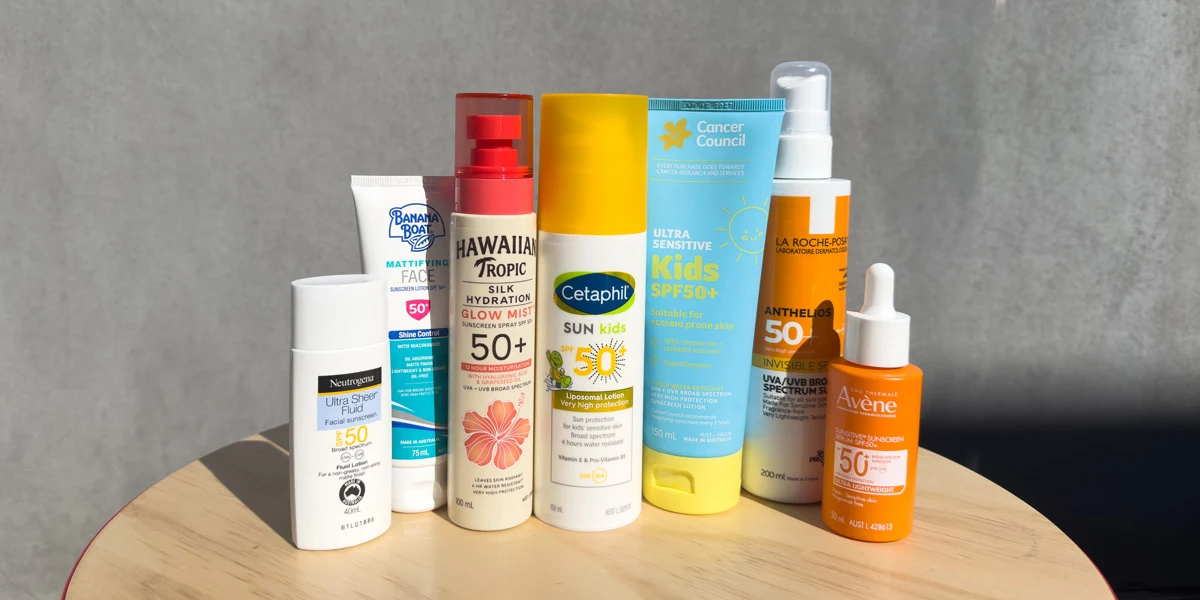
“Higher SPF means I don’t have to reapply”
SPF measures protection at the moment of application – it doesn’t guarantee all-day coverage. Even water-resistant formulas still need to be reapplied every two hours, and more often if you’re sweating, swimming or towel-drying.
“Darker skin doesn’t need sunscreen”
People with more melanin may tan and burn less quickly, but UV damage can still occur beneath the surface. All skin tones benefit from broad spectrum SPF every day.
For many with deeper skin tones, the key thing to look for is a formula that blends seamlessly and doesn’t leave a visible white cast.
“Sunscreen doesn’t expire”
Found a forgotten tube rolling around in the back of your beauty cupboard – or worse – the car? Sunscreen does expire, and using it past its expiry date can mean you’re not getting the level of protection listed on the label. Heat exposure can also compromise the formula, which is why sunscreen left in hot cars or direct sun for extended periods is best replaced. When it comes to sunscreen, it’s better to be safe than sorry.
Future you will thank you
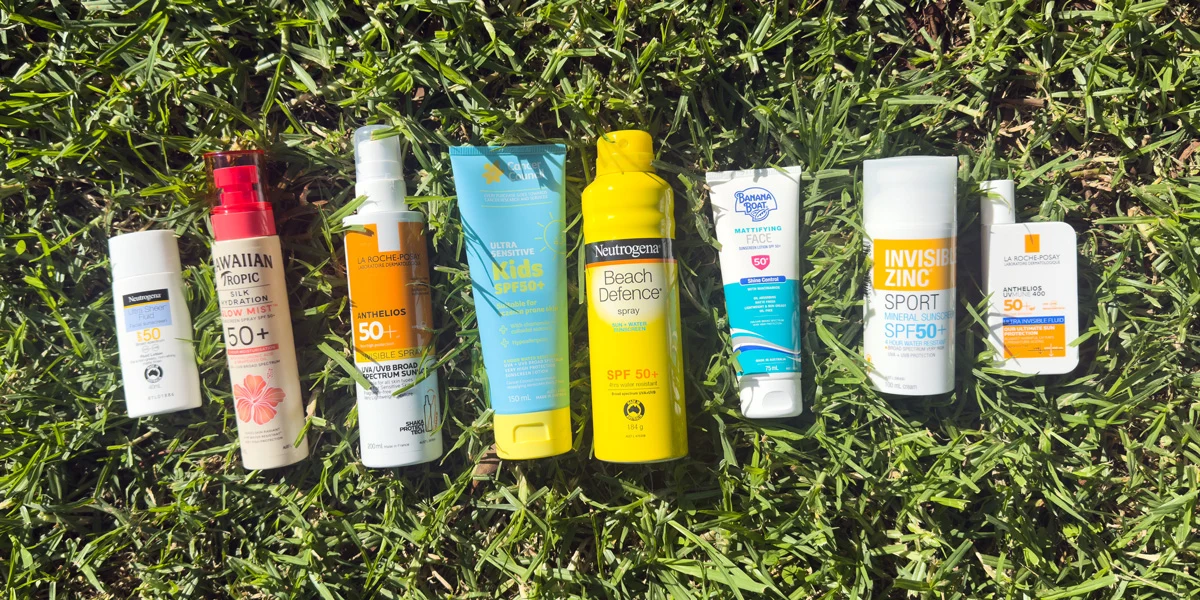
Daily sunscreen is one of the simplest habits with the biggest payoff. Find a formula you love, wear it every day, and reapply when needed. Shop sunscreen in-store and online at Chemist Warehouse today.
References and disclaimers
1. Cancer Council Australia. Latest research on sunscreen.
2. Journal of Dermatology Research. ScienceDirect.
3. Cancer Council Australia. What is healthy skin?.
4. Cancer Council Australia. UV exposure and cancer.
5. Cancer Council Australia. Risk factors and epidemiology – childhood UV exposure.
6. Cancer Council Australia. Sunscreen and UV protection resources.
7. Healthline. Can you get a sunburn on a cloudy day?
—
Article content disclaimer: Always read the label and follow the directions for use. Wear protective clothing, hats, and eyewear when exposed to the sun. Prolonged sun exposure should be avoided. Frequent use and re-application in accordance with directions is required for effective sun protection.